Agents/Research/review-mining
Read every bad review of your competitors in one run
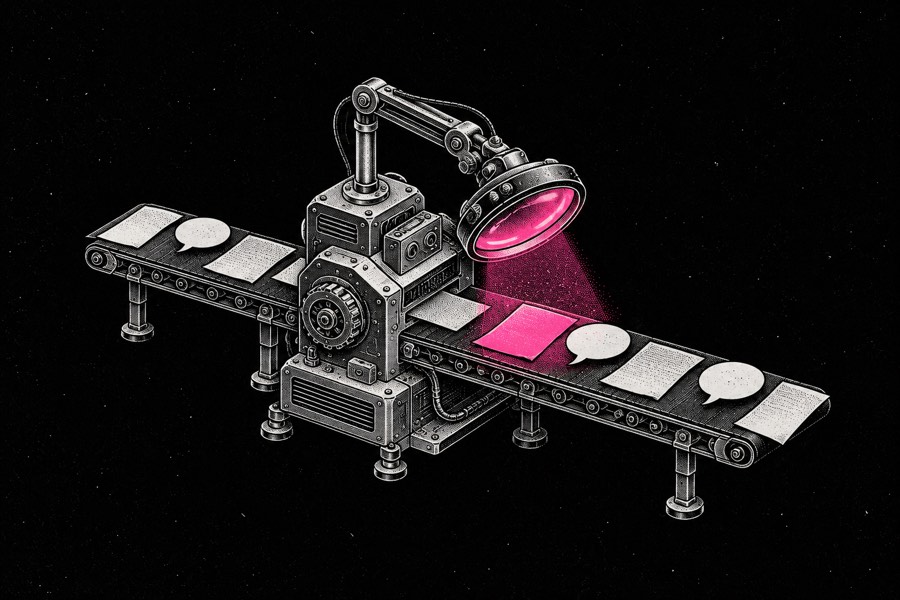
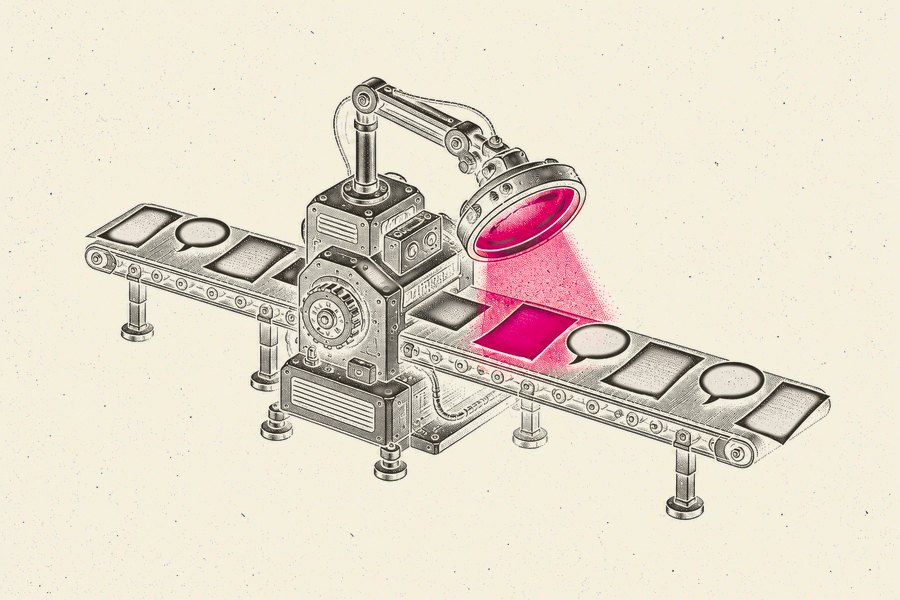
review-mining collects the one- and two-star reviews of the tools your customer uses today. It sorts the complaints into themes and counts how many reviews mention each one. Each theme shows what customers wrote, word for word, with a link to the review.
 02 Research
The run time is measured from the run’s files. The time by hand is an estimate at one minute per review.
Example
See a full run for a startup that sells to companies and one that sells to consumers
Each run shows the brief it started from, the tools it read, the themes it found and a review you can open.
Ruleyard and Kelvane are invented startups. The reviews, counts and quotes are real, read from public pages on 16 Oct 2026.
Steps
Approve the run and check three quotes. Claude reads and counts the rest
Names what it will read
The tool your customer uses today, its two main competitors, and the sites where their reviews are. It gives the cost of the Apify run.
I’ll read the 1- and 2-star reviews of today’s tool, competitor 1 and competitor 2 on G2, Capterra and Trustpilot. The Apify run costs cost. Shall I start?
Approve the run
You say go. Apify collects nothing, and spends nothing, before that.
Go.
Groups the complaints into themes
For each theme: how many reviews mention it, and three quotes copied word for word. Anything a review does not say is written as “not stated”.
Finds the broken promise and the angriest reviewers
Per theme, what the reviewer was trying to get done when it went wrong. Then who writes the angriest reviews: role, company size and use case, where the review states them.
what the reviewer was trying to get done
Search three quotes in their source
Open three reviews and search for the quote with Ctrl-F. If one is not there, the agent does the analysis again.
Inputs
Start from your project brief. Apify collects the reviews
Your brief names what your customer uses today. From that line, the agent picks the tools to read and collects their worst reviews.
Four lines about your startup
What you sell, in one sentence
Who has the problem
The problem, in your customer’s words
The tools or workarounds your customer uses now
The last line tells the agent whose reviews to read.
Today’s tool and its two main competitors
G2CapterraTrustpilotApp StoreGoogle PlayAmazon
Their one- and two-star reviews
- States what the run will cost
- Runs after your yes
- Collects the 1- and 2-star reviews of all three tools
No Apify? Paste 50 to 100 reviews into the chat, each with its site.
Also read, if it exists: your assumption board. The agent updates it, and its evidence table, with what the reviews show.
No project brief yet? The agent asks four questions in one message
- What is the product or idea, in one sentence?
- Who has the problem? Role, company type or life situation.
- What is the problem, in the words your customer would use?
- What do they do today about it? Name the tools, competitors or workarounds.
Short answers are fine. The agent marks them HYPOTHESIS and gives them back as a short project brief for you to save.
Connectors
Connect Apify to read G2, Capterra and the app stores
Review sites block AI tools. Apify is a scraping service with ready-made review scrapers for most of them, and connects to Claude as a connector.
Apify
RequiredRuns a review scraper on G2, Capterra, Trustpilot, the App Store, Google Play or Amazon, for the tool your customer uses and its two main competitors.
Bright Data or Firecrawl work the same way.
Paid Apify runs
OptionalFor more reviews than the free credit covers, Apify charges per scraper run. Before a big run, the agent states what it will cost and waits for your yes.
Nothing is paid without your approval of that exact run.
Outputs
Get the complaints ranked, quoted and written into your project brief
The themes, ranked by count
How many reviews mention each theme, and three quotes per theme, word for word, each with a link to its review.
The broken promise behind each theme
What the reviewer was trying to get done when the tool let them down.
Who writes the angriest reviews
Role, company size and use case, where the reviews state them. What they leave out is marked “not stated”.
An updated assumption board
Your beliefs and their evidence table, updated with what the reviews show.
The what: [who] has [problem], with numbers: how big, how often, how much it costs, what they resort to now.
The why: what current solutions offer and where that falls short: the gap the reviews keep pointing at.
Each line is marked EVIDENCE, with its source, or HYPOTHESIS.
In Claude.ai the agent cannot write files, so it gives you the changed sections as text. Save them in your Project.
Best practice
Read three tools, check three quotes and take the themes into interviews
Pick the tool your customer uses now and its two main competitors
The agent reads the reviews of those three. Name them in your project brief, or the agent asks you for them.
Let the scraper collect the reviews
A plain web fetch cannot open Capterra, G2 or Google Play, and cuts quotes short. The scraper keeps every word.
Approve the cost before a big run
The agent checks what an Apify run will cost and tells you first. The free credit covers a few hundred reviews.
Search three quotes in their source
Ctrl-F each one on the review page. A quote that is not there sends the analysis back to be done again.
Treat the themes as hypotheses to test
Reviews make the problem checkable. A real person confirming it in an interview makes it evidence.
Run it again when new reviews come in
A new run reads the reviews as they stand that day. Run it after a competitor changes its price, or once new reviews have come in.
Next
Take the complaints into interviews, competitor maps and value propositions
Your product, customer and problem, written once.
What people posted about the problem this month.
The complaints about today’s tools, themed and counted.
Next in line: how people handle the problem today, shown in YouTube videos.
Turns the themes into interview questions about what people did in the past.
Adds the companies named in the complaints to the competitors it studies.
Uses the complaints, with their counts, as the bad alternatives your product does better.
Questions
What founders ask about review-mining
Why does it need Apify?
Review sites such as G2, Capterra and Google Play block AI tools. Apify runs ready-made scrapers that can read them, and connects to Claude as a connector.
Which review sites can it read?
With Apify: G2, Capterra, Trustpilot, the App Store, Google Play and Amazon.
What does a run cost?
The agent is free. Apify’s free plan gives $5 of credit a month, which covers a few hundred reviews. Before a bigger run, the agent tells you the cost and waits for your yes.
Does it work for a consumer app?
Yes. In the Kelvane example it reads 683 App Store reviews of six health apps. In the Ruleyard example it reads business software on G2, PeerSpot and TrustRadius.
How do I know the quotes are real?
Every quote is copied word for word and links to its review. You search three of them in their source. If one is missing, the analysis is done again.
Where does the result go?
Into the Problem section of your project brief, with each line marked EVIDENCE or HYPOTHESIS. The other agents read it from there.